
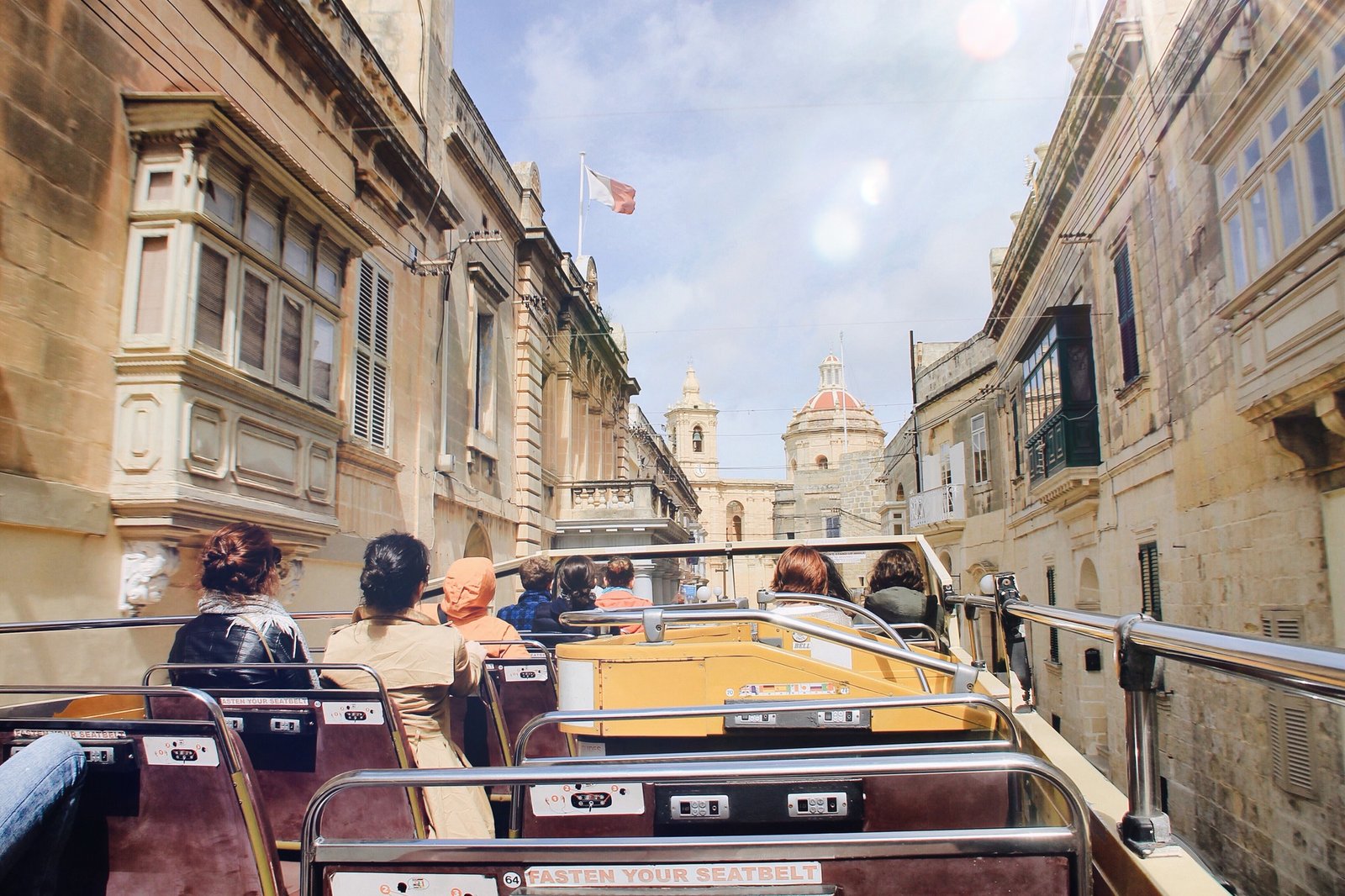
Whether you’re moving to Malta for work, study, or a lifestyle change, one of the first things you’ll need to figure out is how to get around. Malta may be a small island, but when it comes to getting from place to place, it pays to understand your options. This guide will walk you through everything you need to know about Malta’s public transport system—from buses and cards to alternative transport like e-scooters and taxis.
Why Public Transport Matters in Malta
Malta has a dense population and narrow roads, so driving can be tricky for newcomers. Parking is often limited, especially in central areas like Sliema, Gżira, and Valletta. For many expats and students, public transport is the easiest and most affordable way to get around—especially if you’re living without a car.
The Bus System: Malta’s Main Mode of Public Transport
Operated by Malta Public Transport
Malta’s public buses are run by Malta Public Transport, a reliable and budget-friendly system that serves nearly every town and village across Malta and Gozo.
Coverage and Frequency
- Most popular areas are well-connected with buses running every 15–30 minutes during peak hours.
- Services generally run from 5:30am to 11:00pm, though some routes stop earlier.
- Some night buses run on Fridays and Saturdays in major zones.
Example Routes
- Route 13: Valletta – Sliema – St. Julian’s
- Route 45: Valletta – Naxxar – Bugibba
- Route X4: Airport – Valletta
The Tallinja Card: Your Ticket to Savings
If you plan to use the bus regularly, the Tallinja Card is a must.
Types of Tallinja Cards:
- Adult Card – For regular residents or long-term visitors
- Student Card – For those studying in Malta; includes generous free travel options
- Gozo Resident Card – Exclusive benefits for Gozo locals
- Child & Senior Cards – Discounts and age-based perks
You can apply online at www.publictransport.com.mt and receive your card by post.
Why It’s Worth It:
- Travel becomes free for registered Tallinja card holders (as of 2023) for most bus routes.
- No need for coins or paper tickets.
- Easy to top up and track journeys via the Tallinja app.
Using the Bus Without a Card
If you don’t have a Tallinja Card yet:
- You can still pay on the bus with contactless cards or cash.
- A one-way fare costs €2.50 in summer and €1.50 in winter.
- Always keep your ticket during the journey in case inspectors check.
Helpful Apps and Tools
- Tallinja App – Official app with real-time bus tracking, route planning, and live updates.
- Google Maps – Works fairly well in Malta for public transport directions.
- Moovit – Great for checking estimated arrival times.
E-Scooters and Bike Rentals
In recent years, Malta has introduced shared e-scooters and bikes in urban areas. Providers like Bolt and GoTo offer app-based rentals, mostly in:
- Sliema
- Gżira
- St. Julian’s
- Valletta
These are great for short trips or commuting to nearby towns but use them with caution:
- Always ride on the road, not pavements
- Park in designated areas
- Wear a helmet if possible
Taxis, Ride-Hailing, and Private Transport
If you prefer private transport or have a tight schedule:
- Bolt and eCabs are the most popular ride-hailing apps.
- White taxis can be hailed on the street but are more expensive.
- Airport transfers: Pre-booking online is usually cheaper and more reliable.
Cost Estimates:
- Valletta to Sliema by Bolt: ~€8–€12
- Airport to St. Julian’s by taxi: ~€20–€25
Ride-hailing is often cheaper than traditional taxis and much more convenient with GPS tracking and mobile payment.
What About Ferries?
Malta has a few useful ferry services:
- Valletta ↔ Sliema – A quick 10-minute crossing with stunning harbour views
- Valletta ↔ Three Cities – Great for sightseeing and daily commutes
- Malta ↔ Gozo Ferry – From Ċirkewwa (north of Malta) to Mġarr (Gozo); runs every 30–45 minutes and costs ~€4.65 return for passengers
Ferries are a scenic and relaxing way to travel—perfect for commuters or weekend trips.
Common Questions from Expats
“Is the bus always on time?”
Not always. Traffic in Malta can be unpredictable, especially in high season or during roadworks. Give yourself extra time, particularly if catching a flight or appointment.
“Can I take luggage on the bus?”
Yes, small to medium suitcases are fine. But if you’re travelling with lots of luggage, a taxi or ride-hailing app is more practical.
“Are buses wheelchair accessible?”
Most newer buses are equipped with ramps and priority spaces, but access can still be challenging in certain areas due to narrow streets or steep curbs.
Final Tips for Getting Around Malta
- Download the Tallinja App early and plan your routes ahead
- Avoid peak hours (7–9am and 4–6pm) if possible
- Keep coins handy for ticket machines or short trips
- Be patient—buses might not run perfectly, but they’re still affordable and reliable
Conclusion
Public transportation in Malta is one of the most cost-effective and eco-friendly ways to explore the islands. While it may take a few days to get used to the routes and schedules, you’ll soon find it easy to get where you need to go.
Whether you’re commuting to work, heading to the beach, or exploring a historic village, the bus network, ferries, and ride-hailing services make travel accessible and simple—even without a car.